Why Professional Surface Prep Leads to Better-Looking, Longer-Lasting Floors
When it comes to achieving flawless, durable flooring, the real secret is professional surface preparation. Before any coating is applied, the concrete has to be properly cleaned, repaired, and prepared so the new system can bond correctly. That process often starts with removing dirt, grime, oil, and other surface contaminants through methods like professional concrete washing and pressure washing, followed by mechanical prep and repairs as needed. When surface prep is done the right way, floors look better, last longer, and perform the way they should.
Removing Existing Coatings and Contaminants
- Thorough cleaning comes first: Professional surface prep often begins with deep cleaning to remove built-up dirt, debris, grease, and stains that can interfere with adhesion.
- Pressure washing helps clear the surface: For exterior concrete and some heavily soiled surfaces, pressure washing can be an effective first step to wash away contaminants before more detailed preparation begins.
- Old coatings must be addressed: Existing sealers, paints, or failing coatings are then removed using the right equipment and techniques to create a sound base.
- Why it matters: If contaminants or loose coatings are left behind, the new floor system may peel, bubble, or wear out sooner than expected.
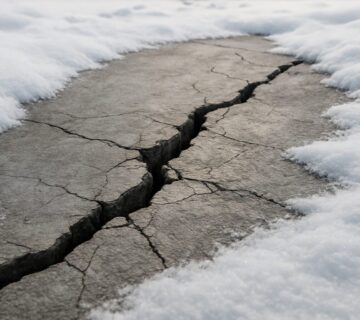
Repairing Cracks and Uneven Surfaces
- Cracks should be filled with a high-quality repair material to create a smoother, more stable surface.
- Uneven areas need to be leveled so the finished floor looks clean and professional.
- Addressing these issues before installation helps prevent future chipping, peeling, and premature wear.
By correcting imperfections during the prep stage, you set your floor up for long-term performance. Investing in proper repairs now can help you avoid more costly problems later, especially when moisture-related issues are also addressed early. You can learn more in our post on moisture mitigation and warning signs your concrete floor needs attention.
Enhancing Adhesion for Better Durability
- Surface preparation is one of the biggest factors in how well a coating bonds to concrete.
- Cleaning methods such as pressure washing can remove surface grime, while additional prep methods create the proper profile for strong adhesion.
- Better adhesion means better durability, reducing the risk of delamination, peeling, and early coating failure.
Properly prepared surfaces also allow for:
- More even coating application
- Improved resistance to wear and tear
- A longer-lasting finish that keeps its appearance over time
This is especially important when evaluating coating systems for garages and workspaces, where performance matters just as much as appearance. For more on that, see Are epoxy coatings really the best for garages?
Creating a Smooth and Level Surface
- Solid foundation: Professional prep helps ensure the concrete is clean, sound, and properly profiled before installation begins.
- Improved longevity: A smooth, well-prepared surface helps coatings cure and perform as intended.
- Better final results: When the prep work is done correctly, the finished floor looks more polished and professional.
Improving Floor Appearance and Aesthetics
- Cleaner starting point: Removing grime, stains, and residue through deep cleaning and pressure washing helps reveal the true condition of the concrete.
- Smoother finish: Proper prep creates a more uniform surface for coatings to be applied evenly.
- Professional look: Floors installed over a well-prepared surface simply look better and hold that appearance longer.
Depending on the space and goals, some property owners also compare decorative and practical finish options before choosing a system. Our article on polished vs. sealed concrete floors can help explain the difference.
Extending the Lifespan of Your Floors
- Keep surfaces clean: Regular cleaning helps prevent abrasive dirt and debris from wearing down the floor.
- Protect high-use areas: Furniture pads, mats, and proper maintenance can reduce avoidable damage.
- Clean spills quickly: Moisture, oils, and chemicals should not be left sitting on the surface.
- Schedule occasional deep cleaning: In some cases, professional pressure washing for surrounding exterior concrete can help maintain curb appeal and reduce the amount of dirt tracked indoors.
Temperature changes can also affect concrete performance over time, which is why prep and maintenance both matter. Read more in how cold weather affects concrete floors.
Preventing Future Issues and Damage
Regular maintenance routine
After installation, a simple maintenance routine can go a long way. Routine sweeping, prompt spill cleanup, and occasional deep cleaning help protect the finish and keep floors looking their best.
Protective coatings
Applying the right coating system after proper preparation adds a protective barrier against moisture, stains, impact, and daily traffic. That protection is only as good as the prep work underneath it.
Professional inspections
Periodic inspections can catch early signs of wear, cracking, or moisture-related issues before they become more serious. Addressing small problems early helps preserve both appearance and performance.
Ensuring a Seamless Installation Process
- Proper surface preparation is essential for a successful flooring installation. The concrete must be clean, dry, stable, and ready to accept the new coating system.
- That may include pressure washing, contaminant removal, crack repair, and mechanical profiling depending on the condition of the slab.
- Working with experienced professionals ensures each step is handled correctly, resulting in a floor that looks great and lasts longer.
At the end of the day, great floors start long before the coating is applied. Professional surface preparation — including deep cleaning and pressure washing where appropriate — creates the foundation for a better-looking, longer-lasting result. And once your new floor is installed, following the right upkeep plan matters too, as covered in our ultimate guide to polished concrete floor maintenance.