
How Cold Winter Weather Affects Concrete Floors and How to Protect Them
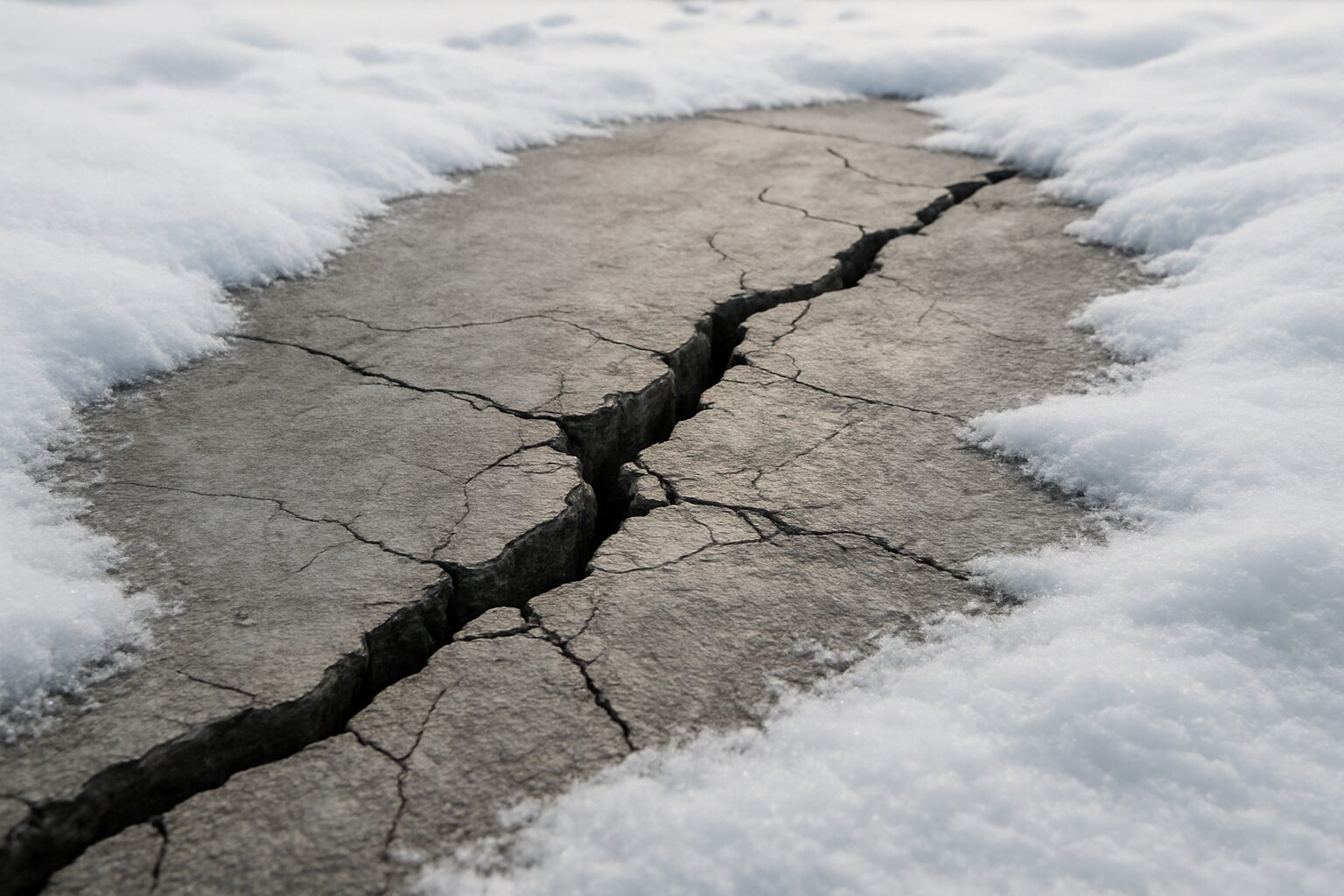
Cold weather puts a surprising amount of stress on concrete floors. When temperatures drop, the slab contracts, moisture works into small openings, and deicing products begin breaking down the surface. If those issues are not managed early, small cracks and thin surface flakes can turn into long-term structural damage.
Whether you have an epoxy coated garage, polished concrete in a commercial building, or a basic unfinished slab in a warehouse, a little winter preparation goes a long way. Below is a clear breakdown of what cold weather does to concrete, what to watch for, and the steps that help keep floors protected all winter.
If you are already seeing dark spots, hollow sounding areas, or peeling coatings, you can explore our moisture mitigation solutions or read Top Signs Your Concrete Floor Needs Attention for more guidance.
What Cold Weather Does To Concrete Floors
Thermal Movement
Concrete expands slightly in warm weather and contracts in the cold. Winter temperature swings cause stress that can show up as surface cracks or joint movement.
- Hairline cracks slowly widen over repeated cold seasons.
- Joints may pull apart more than usual, especially on large slabs.
- Weaker areas show distress first near overhead doors and high traffic locations.
The National Ready Mixed Concrete Association notes that concrete is considered in cold weather when daily temperatures remain at or below 40°F. Under these conditions, slabs are more vulnerable to durability issues.
Moisture and Freeze and Thaw Cycles
Freeze and thaw movement is one of the biggest contributors to winter damage.
- Melted snow and ice from vehicles or shoes seep into pores and small cracks.
- When that water freezes, it expands and pushes against the concrete structure.
- Repeated cycles cause scaling, chipping, and deeper cracking.
Salt and Deicing Products
Deicers keep walkways safer but are rough on unprotected concrete.
- Chloride based products increase water absorption.
- Salt crystals and sand act like abrasives under tires and foot traffic.
- Newer liquid deicers can be more aggressive on bare concrete surfaces.
For additional reference, NRMCA provides detailed guidance on scaling concrete surfaces and cold weather concreting practices.
Common Winter Problems To Look For
- Scaling and surface flaking: Thin layers of the top surface peel away, often near entries where snow and salt accumulate.
- New or expanding cracks: Thin lines appear after a freeze cycle or existing cracks widen.
- White residue or discoloration: Moisture movement and salts leave a powdery white film.
- Coating failure: Bubbles, peeling, or lifting occur when moisture becomes trapped under an older coating.
Why Winter Protection Matters
Preventing Damage Early
Once cracks and scaling begin, they rarely stop on their own. Winter protection reduces stress on the slab and prevents issues from worsening.
Maintaining Appearance and Safety
Salt residue, uneven wear, and surface deterioration impact more than appearance. They can create slipping hazards and reduce the usable life of the floor.
Controlling Moisture Inside the Slab
Unsealed concrete absorbs moisture easily. In winter, this increases the risk of freeze damage and coating failures. If you suspect moisture problems, review our moisture mitigation services.
How To Winterize Concrete Floors
Clean Before the First Freeze
- Remove dirt, salt residue, and oil spots.
- Flush drains so meltwater has somewhere to go.
- Pay attention to low spots that stay wet longer.
Apply a Protective Sealer
A good sealer reduces moisture absorption and helps shield the surface from salt and freeze cycles.
- Penetrating sealers block water and chlorides.
- Film forming sealers add a protective wear layer.
- High performance coatings like epoxy or polyaspartic offer the strongest protection.
If you want a longer lasting system, explore our epoxy flooring options.
Protect Cracks and Joints
- Inspect joints and fill any gaps or broken filler.
- Seal active cracks before water can freeze inside them.
- In busy areas, consider professional joint filling.
Use Winter Safe Deicing Products
- Avoid heavy use of chloride based deicers on bare concrete.
- Use sand for traction in sensitive areas.
- Follow product labels designed for safer concrete use.
Keep Snow and Meltwater Away From the Slab
- Shovel or push snow away from doors and loading areas.
- Use squeegees or auto scrubbers to move water toward drains.
- Place mats at entries to limit salt and slush inside.
Winter Care By Floor Type
Epoxy and Resin Coated Floors
- Dust mop often to remove grit that can scratch.
- Use neutral cleaners to remove salt and tire residue.
- Repair small chips before they spread.
If you want a floor that holds up better through winter, our epoxy flooring page explains the available systems.
Polished and Stained Concrete
- Use long entry mats to collect salt and moisture.
- Clean wet spots quickly to prevent surface marks.
- Stick with your regular maintenance plan to keep the protective treatment working.
Bare Warehouse or Garage Slabs
- Keep surfaces as dry as possible to prevent freeze pressure under the surface.
- Watch for dark areas that stay damp longer than the rest of the floor.
- If annual winter damage keeps returning, consider a grind and seal system.
When To Call a Concrete Flooring Specialist
Some tasks can be handled in house, but certain issues should be reviewed by a professional. Schedule an assessment if you notice:
- Scaling or flaking that reappears each winter
- Peeling coatings or lifting near entry points
- Moisture spots that never fully dry
- Cracks that widen or branch out
Concrete remains one of the most widely used building materials in the world, and demand for better performing floor systems continues to grow. Many property owners now choose upgraded coatings and moisture control systems to avoid the recurring damage winter brings.
RGF Concrete Coatings has been serving Georgia since 1978 with epoxy flooring, polished concrete, stained concrete, moisture mitigation, and grind and seal systems built to handle real world conditions. You can explore recent projects on our project gallery or request a quote when you are ready to protect your concrete floor.

